
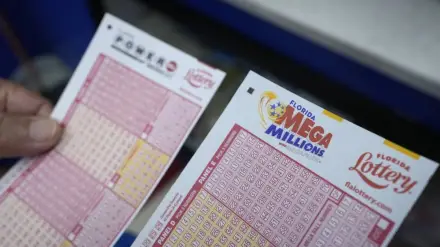
Lotteries have captured human imagination for centuries, offering a blend of luck, excitement, and the dream of life-changing rewards. From ancient drawings to modern digital platforms, the lottery has evolved into a global phenomenon that influences culture, economy, and personal stories in countless ways.
The Origins of Lottery Games
Lotteries trace back to ancient civilizations where drawings were used to allocate land, resources, or privileges. In Rome, emperors held lottery-style events to entertain citizens and distribute prizes ranging from valuables to slaves. In medieval Europe, lotteries became a way to raise funds for public projects, including the construction of churches, roads, and bridges.
The Lottery in Modern Times
Today, the lottery is a highly structured system managed by state or national authorities. Modern lotteries serve multiple purposes:
-
Revenue generation for governments
-
Funding for public projects such as education and healthcare
-
Entertainment value for participants
-
Charitable contributions from specific lottery programs
Technology has expanded lottery access, allowing people to participate through online platforms, mobile apps, and retail stores.
Why People Play the Lottery
The appeal of the lottery lies in its simplicity and potential for high rewards. Some of the main motivations include:
-
The dream of wealth: Many players see the lottery as a chance to achieve financial freedom.
-
Community and fun: Office pools or group tickets create social experiences.
-
Hope and excitement: Even without winning, the act of playing sparks anticipation.
Psychologically, the lottery taps into human optimism, making people believe “it could be me” despite long odds.
Popular Lottery Formats
Lotteries come in different forms, each with unique rules and prize structures:
-
Number draws: Players select numbers from a pool, hoping to match the winning combination.
-
Scratch cards: Instant results with varying prize levels.
-
Raffles: Tickets are sold with guaranteed winners once all entries are in.
-
Digital lotteries: Online platforms offering global participation and additional features.
Odds and Probability in Lottery Games
Understanding the odds is critical for players who want a realistic perspective. While the chance of winning large jackpots is extremely slim, smaller prizes are more common. For example:
-
Matching only part of a combination often yields modest payouts.
-
Secondary prizes can sometimes be significant depending on ticket price and rules.
-
Statistical odds are fixed, meaning frequent play does not increase overall chances.
Strategies People Use in Lottery Play
Although luck governs the lottery, many players adopt personal strategies:
-
Number patterns: Some choose birthdays, anniversaries, or lucky numbers.
-
Random selections: Quick-pick systems generate random combinations.
-
Pooling resources: Group play increases ticket volume and chances of sharing a prize.
-
Budgeting play: Responsible participants set limits to avoid overspending.
While strategies add personal meaning, no method guarantees a win since the process is designed to be random.
Economic and Social Impact of Lotteries
Lotteries contribute billions annually to public programs. In the United States, many state lotteries fund education initiatives, scholarships, and community projects. They also provide jobs in retail, marketing, and administration.
However, critics argue that lotteries disproportionately attract lower-income players who may spend significant portions of their earnings on tickets. This creates ongoing debates about fairness and social responsibility.
Responsible Lottery Participation
Lottery gaming should always remain a form of entertainment rather than a financial plan. Healthy practices include:
-
Setting a budget and sticking to it
-
Avoiding reliance on lottery for financial stability
-
Viewing tickets as entertainment rather than an investment
-
Seeking help if gambling becomes problematic
Real-Life Stories of Lottery Winners
Lottery winners often become household names due to their extraordinary luck. Some use winnings responsibly, funding education, charities, and family businesses. Others struggle with sudden wealth, facing challenges such as financial mismanagement or strained relationships. These stories highlight that winning the lottery can bring both joy and unexpected pressures.
The Future of Lottery
As technology advances, the lottery is adapting through:
-
Blockchain-based systems ensuring transparency
-
Mobile-first platforms for convenience
-
Augmented reality scratch-offs adding entertainment value
-
International pooling creating even larger jackpots
These innovations aim to attract younger audiences and keep the lottery relevant in an increasingly digital world.
FAQs About Lottery
What are the chances of winning a big lottery jackpot?
The odds vary depending on the game, but they are often in the range of 1 in 100 million or higher. Smaller prizes are more attainable, making the lottery primarily a game of chance.
Can lottery winnings be received as a lump sum or annuity?
Yes, most lotteries allow winners to choose between a one-time lump sum or yearly annuity payments. Each option has tax and financial planning implications.
Is playing the lottery considered gambling?
Yes, the lottery is a form of gambling, but it is typically regulated and legal under state or national systems. Responsible participation is encouraged.
What happens if multiple people win the jackpot?
In such cases, the prize is divided equally among the winners. This is common in large national draws with millions of participants.
Are online lotteries safe?
Legitimate online lotteries are secure, especially those run by official state or national agencies. Players should verify the platform’s authenticity before purchasing tickets.
Do lottery winners pay taxes?
In most countries, yes. Taxes on lottery winnings can be substantial, depending on local laws. Consulting a tax professional is recommended for large prizes.
