
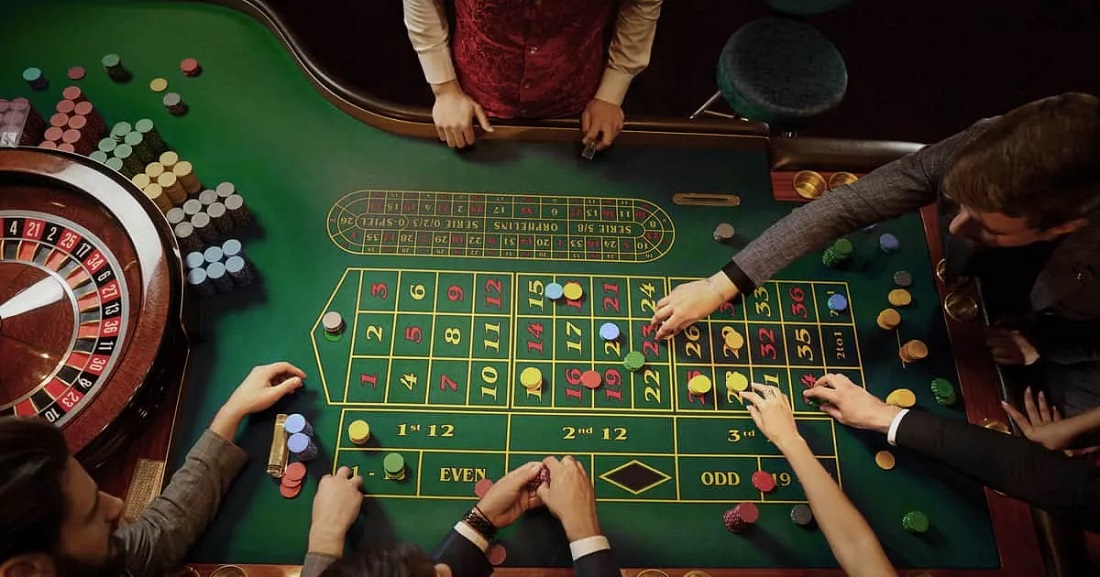
Gambling can be entertaining, exciting, and occasionally profitable. But for many players, small missteps turn into costly habits over time. Whether you’re betting online or in a physical casino, understanding common gambling mistakes can help you protect your money, your mindset, and your enjoyment.
Below are the biggest errors players make—and how to avoid falling into the same traps.
Gambling Without a Clear Budget
One of the most common and damaging mistakes is not setting a strict gambling budget before playing.
Without predefined limits, players often:
-
Chase losses impulsively
-
Bet more than they can afford
-
Lose track of total spending over time
A responsible budget should be:
-
Based on disposable income only
-
Separate from daily expenses or savings
-
Fixed before the session begins
Once that limit is reached, the session should end—no exceptions.
Chasing Losses
Chasing losses happens when players increase their bets to recover money they’ve already lost. Emotion replaces logic, and decision-making becomes reckless.
This mistake often leads to:
-
Larger financial losses
-
Poor betting choices
-
Increased stress and frustration
Losses are part of gambling. Accepting them calmly is far safer than trying to “win it all back” in one move.
Ignoring the Odds and House Edge
Many players gamble based on gut feeling, superstition, or luck alone, while ignoring the mathematical reality of the games they play.
Key points players often overlook:
-
Every game has a built-in house advantage
-
Some games have significantly worse odds than others
-
Short-term wins don’t change long-term probabilities
Understanding basic odds doesn’t guarantee wins, but it helps players make smarter, more informed choices.
Playing Under the Influence
Alcohol and gambling are often paired together, but this combination is risky. Impaired judgment leads to impulsive bets and poor money management.
Common consequences include:
-
Betting higher than planned
-
Forgetting time and budget limits
-
Emotional overreactions to wins or losses
Staying mentally sharp is essential if you want to maintain control while gambling.
Believing in “Guaranteed” Systems
Many players fall for betting systems that promise consistent or guaranteed profits. These systems often rely on flawed logic or selective success stories.
Common examples include:
-
Progressive betting systems
-
“Secret” slot strategies
-
Paid tipsters with no verified track record
No system can overcome the house edge in the long run. Sustainable gambling is about risk management, not magic formulas.
Letting Emotions Control Decisions
Emotions such as excitement, anger, frustration, or overconfidence can heavily influence gambling behavior.
Emotional gambling often results in:
-
Riskier bets after big wins
-
Desperation after losses
-
Ignoring previously set rules
The most disciplined players treat gambling as entertainment, not emotional release.
Not Knowing When to Stop
Some players continue gambling simply because they’re already invested—time-wise or money-wise. This mindset leads to extended losses and regret.
Knowing when to stop means:
-
Walking away after reaching a win goal
-
Ending sessions when focus declines
-
Taking breaks when gambling stops being fun
Stopping is a skill, and mastering it is essential for long-term control.
Overestimating Skill in Games of Chance
While certain games involve strategy, many are still largely driven by chance. Overconfidence can lead to excessive risk-taking.
Players often:
-
Confuse short-term success with skill
-
Increase stakes too quickly
-
Ignore variance and luck
Realistic expectations help keep gambling grounded and manageable.
FAQ
What is the most dangerous gambling mistake?
Chasing losses is widely considered the most harmful mistake because it often leads to rapid and uncontrollable financial damage.
Can gambling mistakes affect mental health?
Yes. Poor gambling habits can lead to stress, anxiety, guilt, and emotional exhaustion, especially when losses pile up.
Is gambling safer if I only play occasionally?
Occasional play can reduce risk, but only if budgets and limits are still respected. Frequency alone doesn’t guarantee safety.
Do experienced players still make these mistakes?
Absolutely. Experience doesn’t eliminate emotional reactions or overconfidence—it simply reduces them when discipline is applied.
How can I tell if I’m gambling emotionally?
Warning signs include increasing bet sizes, ignoring limits, feeling angry or desperate, and gambling to escape stress.
Are free bonuses responsible for bad decisions?
Bonuses can encourage overplaying or risky bets if players don’t read terms carefully or stick to their original budget.
What’s the best way to avoid gambling mistakes altogether?
Set clear rules, understand the odds, stay emotionally neutral, and view gambling strictly as entertainment—not income.
