
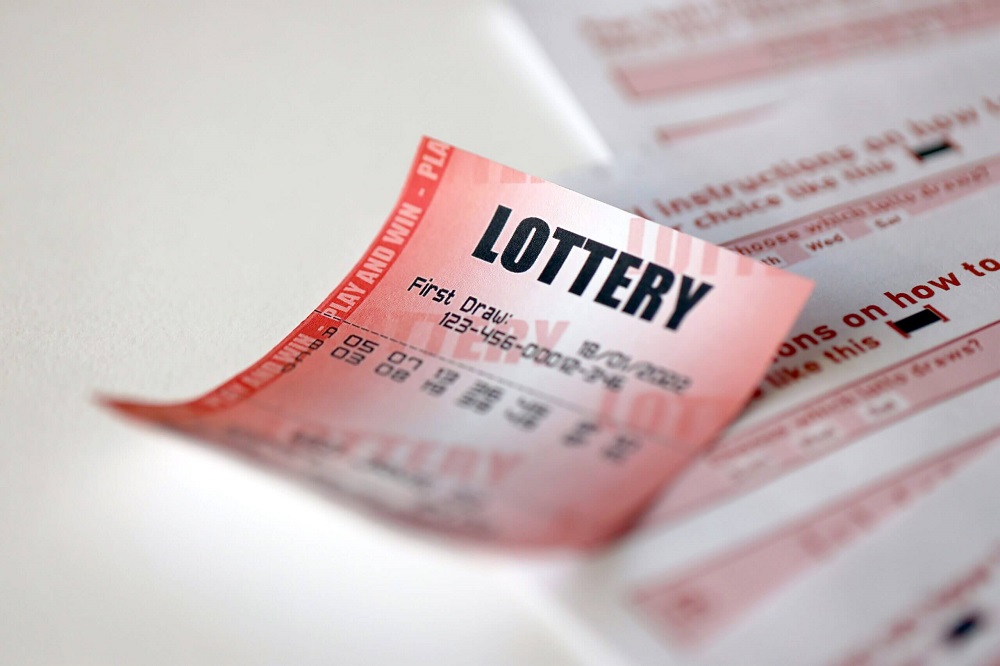
Playing the lottery is, on the surface, a simple act—buy a ticket, pick numbers, and hope for the best. Yet beneath this routine lies a rich psychological landscape shaped by emotion, perception, and deeply human cognitive biases. Despite extremely low odds, millions of people continue to play regularly, driven not by logic alone but by powerful mental and emotional forces.
This article explores why people play the lottery, what it reveals about the human mind, and how psychology keeps hope alive even when statistics say otherwise.
The Allure of Hope and Possibility
At its core, the lottery sells hope. For a small financial cost, players buy access to a vivid fantasy: instant freedom from debt, stress, and limitations.
Psychologically, hope acts as a motivator. Even when people intellectually understand the odds, the emotional payoff of imagining a transformed life is immediate and rewarding. This mental escape can momentarily relieve stress, boredom, or dissatisfaction with one’s current circumstances.
Key psychological drivers of hope include:
-
The appeal of life-changing outcomes
-
Emotional relief from routine or financial pressure
-
The pleasure of imagining a better future
Cognitive Biases That Keep People Playing
Human decision-making is rarely rational. Several well-documented cognitive biases make the lottery especially persuasive.
The Optimism Bias
People tend to believe they are more likely than others to experience positive events. This optimism bias leads players to feel their chances are better than they truly are—even when the odds are publicly known.
The Availability Heuristic
When lottery winners are featured in news stories or advertisements, those examples become mentally “available.” The brain overestimates how often winning occurs because it easily recalls these vivid success stories.
The Near-Miss Effect
Numbers that almost match the winning combination create the illusion of being “close.” Psychologically, near-misses activate the same reward pathways as actual wins, encouraging continued play.
Emotional Rewards Beyond Money
Interestingly, many players report enjoyment regardless of winning. The lottery provides emotional benefits that have little to do with financial gain.
These include:
-
Anticipation during the waiting period
-
Social bonding, such as discussing numbers with friends or coworkers
-
A sense of participation in a shared cultural ritual
In this sense, the lottery functions as a form of low-cost entertainment, not unlike movies or games.
Risk, Control, and the Illusion of Choice
Choosing numbers—birthdays, anniversaries, or “lucky” digits—creates an illusion of control. Although the outcome is entirely random, personal involvement increases emotional investment.
This perceived control can make losses feel more tolerable and wins feel more deserved, reinforcing the behavior over time.
Socioeconomic and Cultural Influences
Lottery participation is not evenly distributed across society. Research consistently shows higher participation among individuals facing economic hardship.
For some, the lottery represents:
-
A perceived pathway out of limited opportunity
-
A symbolic challenge to systemic inequality
-
A culturally normalized form of dreaming big
Cultural narratives around “overnight success” further amplify the appeal, framing winning as a matter of fate rather than probability.
When Playing Becomes a Problem
While occasional play is harmless for most, the psychological hooks of the lottery can lead to problematic behavior.
Warning signs include:
-
Spending beyond one’s means
-
Chasing losses
-
Emotional distress tied to results
Understanding the psychological mechanisms at work can help individuals make more mindful choices and recognize when play shifts from entertainment to compulsion.
A Psychological Balancing Act
The psychology of playing the lottery is not simply about ignorance or poor math skills. It reflects universal human traits: hope, imagination, optimism, and the desire for control in an uncertain world.
When approached with awareness and moderation, lottery play is less about winning money and more about engaging with possibility—even if that possibility exists mainly in the mind.
Frequently Asked Questions (FAQ)
Why do people play the lottery despite knowing the odds are extremely low?
Because emotional rewards like hope, excitement, and imagination often outweigh rational calculations of probability.
Is playing the lottery a sign of poor financial understanding?
Not necessarily. Many players fully understand the odds but treat the lottery as entertainment rather than an investment.
What psychological need does the lottery fulfill?
It fulfills needs related to hope, escapism, anticipation, and a sense of possibility in uncertain circumstances.
Why do “near wins” feel so motivating?
Near-misses activate reward-related brain responses, making players feel close to success even when outcomes are random.
Does choosing personal numbers increase chances of winning?
No. All number combinations have equal odds, but personal choices increase emotional attachment and perceived control.
Can lottery playing become addictive?
Yes. For a small percentage of players, psychological reinforcement can lead to compulsive behavior.
How can people play the lottery more responsibly?
By setting strict spending limits, viewing tickets as entertainment expenses, and avoiding play driven by financial desperation.
